custom reaction meme generator
Custom Reaction Meme Generator
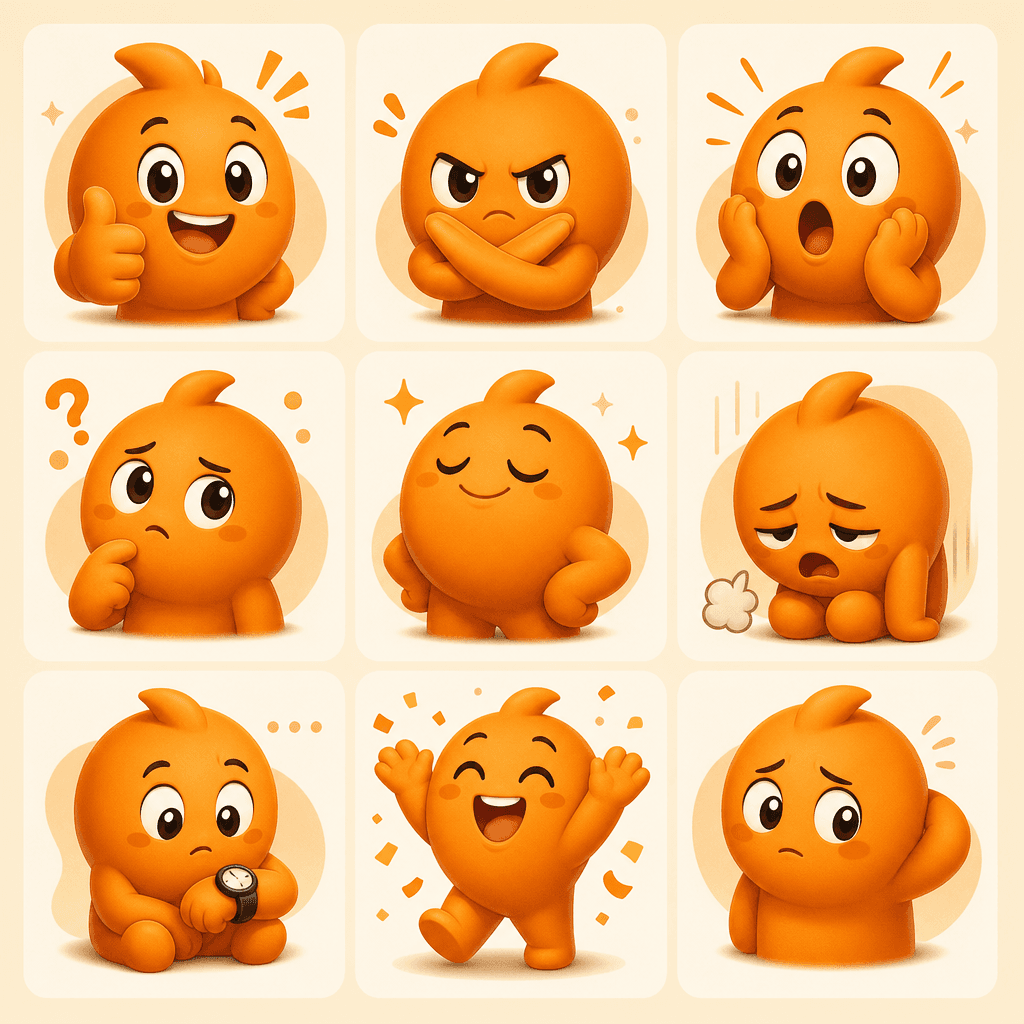
Build a custom reaction meme pack around your own mascot, pet, selfie, or brand character instead of relying on generic internet reaction images.
Quick Answer
A custom reaction meme generator helps you replace generic reaction images with a pack built around your own subject. That subject can be a brand mascot, product character, pet, creator avatar, or a self-owned photo transformed into a repeatable meme style.
Custom packs work better than random internet reactions when you want recognition. The more your audience sees the same subject expressing different moods, the more that character becomes part of your brand or community language.
Step-by-Step Tutorial
Build the pack around identity first, then around emotions.
- 1
Define the recurring subject
Decide what will anchor the pack: a pet, mascot, person, or product character. Custom reactions only work when the subject is stable across the full set.
- 2
List the exact conversation moments
Map the pack to real replies such as yes, no, wow, bug found, shipped it, waiting, proud, tired, and awkward.
- 3
Choose one consistent visual direction
Sticker, comic, soft illustration, and mascot-friendly styles usually work best for repeated reaction use.
- 4
Generate the first grid as a system test
A 3x3 pack shows whether the subject stays recognizable across emotions. It is the fastest way to validate consistency.
- 5
Refine based on real reuse
Keep the panels people actually send. Then expand the pack with more specific reactions once the core identity is working.
Best Use Cases
Custom reaction memes are useful for startup teams, creator communities, Discord servers, small online brands, SaaS products, newsletters, and customer success workflows. They help communication feel more recognizable without requiring a designer to make every asset manually.
They are also a good bridge between product and content. A mascot reaction pack can appear in changelogs, support messages, launch posts, community replies, and light social content.
Prompt Suggestions
Custom packs need both identity words and emotion words.
- Create a custom reaction meme pack for my brand mascot, same character in every panel, clean sticker style, emotions: yes, no, wow, confused, proud, tired, waiting, celebrating, awkward.
- Turn this uploaded selfie into a personalized reaction meme pack, same person, simple background, readable expressions, no text, nine chat-ready moods.
- Generate custom chat reactions from this pet photo, consistent character design, soft illustration style, reusable community reactions.
Quality Checklist Before You Generate
Meme quality is mostly about instant recognition. The subject should be readable before the viewer zooms in, and the emotion should be clear before any caption explains the joke. For a custom reaction meme generator workflow, start by deciding what success looks like before you press generate. The output may be attractive, but it still needs to solve the original task: clearer restoration, a stronger reaction, a more natural composition, or a cleaner edit.
Check the input first. Make sure the source image, prompt, style choice, and final format all point in the same direction. If you are using MakeImg Create, keep the instruction short enough for the model to follow and specific enough that it cannot ignore the main request.
- One clear subject or task is easier to control than several competing goals.
- Simple backgrounds usually improve readability and reduce unwanted artifacts.
- Consistent style words help the model keep the result cohesive across a full set.
- Download only after checking the result at the size where it will actually be used.
Common Mistakes to Avoid
The most common mistake is asking for too much: too many styles, too many props, too many characters, or too much text inside the image. A meme pack becomes more useful when every panel has one job. This matters for SEO-style tutorial workflows too: people searching for custom reaction meme generator usually want a usable result quickly, not a complex art experiment that needs many manual fixes afterward.
Before downloading, look at the full grid and ask whether each panel would work as a standalone reaction in a fast chat. If the answer is unclear, simplify the background and make the emotion stronger. If the first result is close but not ready, change one variable at a time. Edit the emotion list, simplify the style, clarify the reference roles, or narrow the edit instruction. Changing everything at once makes it hard to learn what improved the output.
Keep the original file and the generated result separate. That gives you a clean rollback point, makes comparison easier, and helps you regenerate later if you find a better prompt or model provider.
Publishing and Reuse Notes
After the output is ready, name the file in a way that matches the task, such as custom-reaction-meme-generator. Clear filenames make it easier to find the asset later, especially when you are testing several MakeImg workflows in the same week.
If you plan to publish the image publicly, review rights, privacy, and context before posting. Use source material you own or have permission to use, avoid misleading claims, and keep a copy of the prompt so you can explain or reproduce the creative process later.
- Save the final image and the source image in the same project folder.
- Keep a short note with the prompt, style, and tool path used for generation.
- Recheck the output on mobile because most meme and social images are consumed there.
FAQ
Questions that matter before you build a custom reaction system.
Why not just use random reaction images from the internet?
Because custom packs build recognition and feel more intentional. They also reduce the need to search for a new image every time.
What makes a custom pack feel consistent?
A stable subject, one visual style, simple backgrounds, and an emotion list that covers real communication moments.
Can I start from a real photo?
Yes, if you own or have permission to use it. A clear photo makes it easier to preserve identity across the full pack.
Create with MakeImg
Use this guide as a starting point, then try the matching MakeImg tool to generate, restore, compose, or edit your own images.
Open the tool